The Art of the Follow-Up Text Nobody Teaches You
Good follow-ups remove pressure. Bad ones add guilt. Timing rules, real examples, and what to say for dates, jobs, friends, and clients.
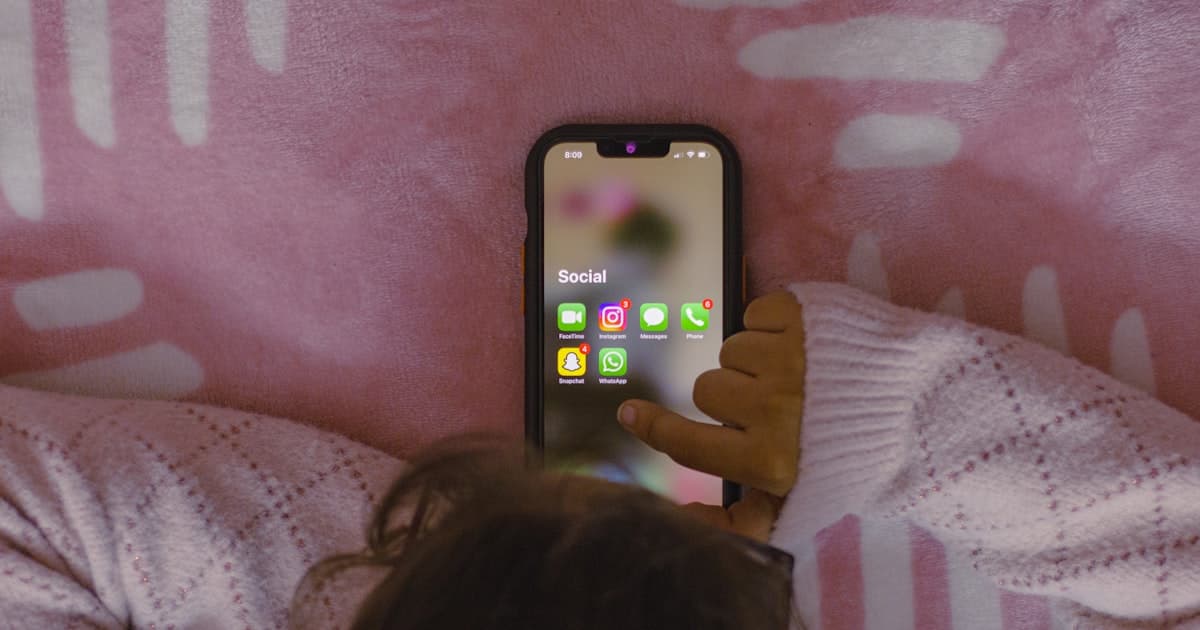
Nobody sits you down and teaches you how to follow up. There's no class. No chapter in any textbook. You're just supposed to figure it out -- somewhere between the first date that went great and the silence that followed, or the job application that vanished into a portal, or the friend who said "let's definitely hang out" and then went dark for three weeks.
So you stare at your phone. You draft something. Delete it. Draft again. Too eager. Too cold. Too desperate. Too casual.
Maybe I should just wait.
And then you wait so long that following up at all feels weird, which means you never do, which means you lose the thing you wanted because you couldn't figure out one small text.
I've been there. More times than I'd like to admit.
What Makes a Follow-Up Good or Bad?
Here's the one insight that changed how I think about this: a good follow-up removes pressure from the other person. A bad one adds it.
That's it. That's the whole framework.
A bad follow-up says you owe me something. "Hey, just checking in since I never heard back." Translation: I noticed you didn't respond and I'm keeping score. "Did you get my last message?" Translation: I know you saw it. "Just wanted to make sure you're still interested." Translation: prove your interest to me right now.
A good follow-up says no pressure, here's an easy door. It gives them a reason to reply that isn't guilt. It makes responding feel simple instead of heavy. It offers an out without making the out feel like rejection.
The difference is subtle in the words but massive in how it lands.
Does the Context Actually Change the Rules?
Yes. Wildly. A follow-up after a great first date and a follow-up to a client who ghosted your invoice are completely different animals. The timing changes. The tone changes. What you're allowed to say changes. The only constant is that principle -- remove pressure, don't add it.
Let me break down the ones that trip people up most.
After a date that went well. You had a good time. You think they did too. It's been two days and nothing. Here's what works: reference something specific from the date. "That restaurant rec you mentioned -- I looked it up and it's closed on Mondays, which is the most Monday thing ever." You're not asking did you like me. You're continuing a conversation that already existed. Low stakes. Easy to reply to. If you're wondering whether sending a second message is even okay, the short answer is yes -- once, if it's light.
After a job application. One week minimum. Hiring moves slow and nobody wants the eager candidate who emails 48 hours later. When you do follow up, add something. Don't just say "checking on my application status." Say "I saw your team just launched X -- really cool work. Still very interested in the role." You're showing you pay attention. You're giving them a reason to pull your resume from the stack.
After a networking coffee. Follow up the same day or the next morning. This is the one context where speed matters. "Great meeting you -- the thing you said about X stuck with me." Then, and this is key, make the next step specific. Not "let's keep in touch" -- that's a polite nothing. "I'm going to check out that tool you mentioned and I'll let you know how it goes." Now there's a thread to pull on later.
After a friend went quiet on plans. This one stings differently because it's personal. You said "let's do Saturday" and they said "yes definitely" and now it's Friday night and silence. Don't guilt trip. Don't say "so are we still on or..." Just make it easy: "Still down for tomorrow? No worries either way." That last part -- no worries either way -- is doing heavy lifting. It gives them permission to bail without a three-paragraph excuse.
After a client left you on read. Professionals ghost too. The move here is to provide value, not chase. "Hey -- wanted to share a quick update on [relevant thing]" or "Saw this article and thought of our conversation about X." You're following up without begging. The subtext is: I'm still here, I'm still useful, and I'm not going to make this awkward.
How Long Should You Actually Wait?
I used to overthink this. Now I use rough rules that have served me well.
Romantic interest: 1-2 days. Any longer and the momentum dies. Any shorter and you're giving yourself a reputation for having nothing else going on.
Job application: 5-7 business days after the listed deadline or your submission. If they said "we'll be in touch within two weeks," wait the two weeks.
Networking contact: same day or next morning for the initial follow-up. Then 2-3 weeks if you want to reconnect on something specific.
Friend: 24 hours before a planned hangout. If there were no plans, whenever feels natural. Friends don't operate on business timelines.
Client or professional contact: 3-5 business days. Enough to show patience. Not so much that they forget who you are.
These aren't sacred numbers. They're starting points. Adjust for the relationship, the stakes, and how much signal you've already gotten. If someone has already left you on read twice, a third message with better timing isn't the issue.
What If You Have Zero Chemistry to Work With?
Sometimes the follow-up isn't about reigniting something good. It's about gracefully closing something that didn't click. You went on a date. It was fine. Not great. And now they texted and you need to respond without leading them on or being cruel.
That's its own skill -- and I wrote a separate piece on how to follow up when there's no chemistry. The short version: be kind, be clear, don't leave them guessing. A clean no is always better than a slow fade.
The Follow-Up You're Avoiding Right Now
You're reading this because there's a specific text you haven't sent yet. I know because I've been exactly where you are -- phone in hand, cursor blinking, stomach doing that thing.
Here's what I'll tell you. The follow-up you're afraid of is almost never as scary as the silence you'll create by not sending it. People are more forgiving than you think. They're also more distracted than you think. Half the time the reason someone hasn't replied has nothing to do with you.
If you're stuck on the actual words -- what to say, how to say it, how to match the tone of the conversation -- screenshot it and run it through Vervo for a few options. Sometimes seeing three different ways to say the same thing is all you need to pick one and hit send.
The follow-up is a skill. Like any skill, it gets easier with practice. And the first rule is always the same: make it easy for them to say yes. Or no. Or anything at all.
The worst follow-up is the one you never send.